
Food Photography Backdrops: Best Options for Every Budget
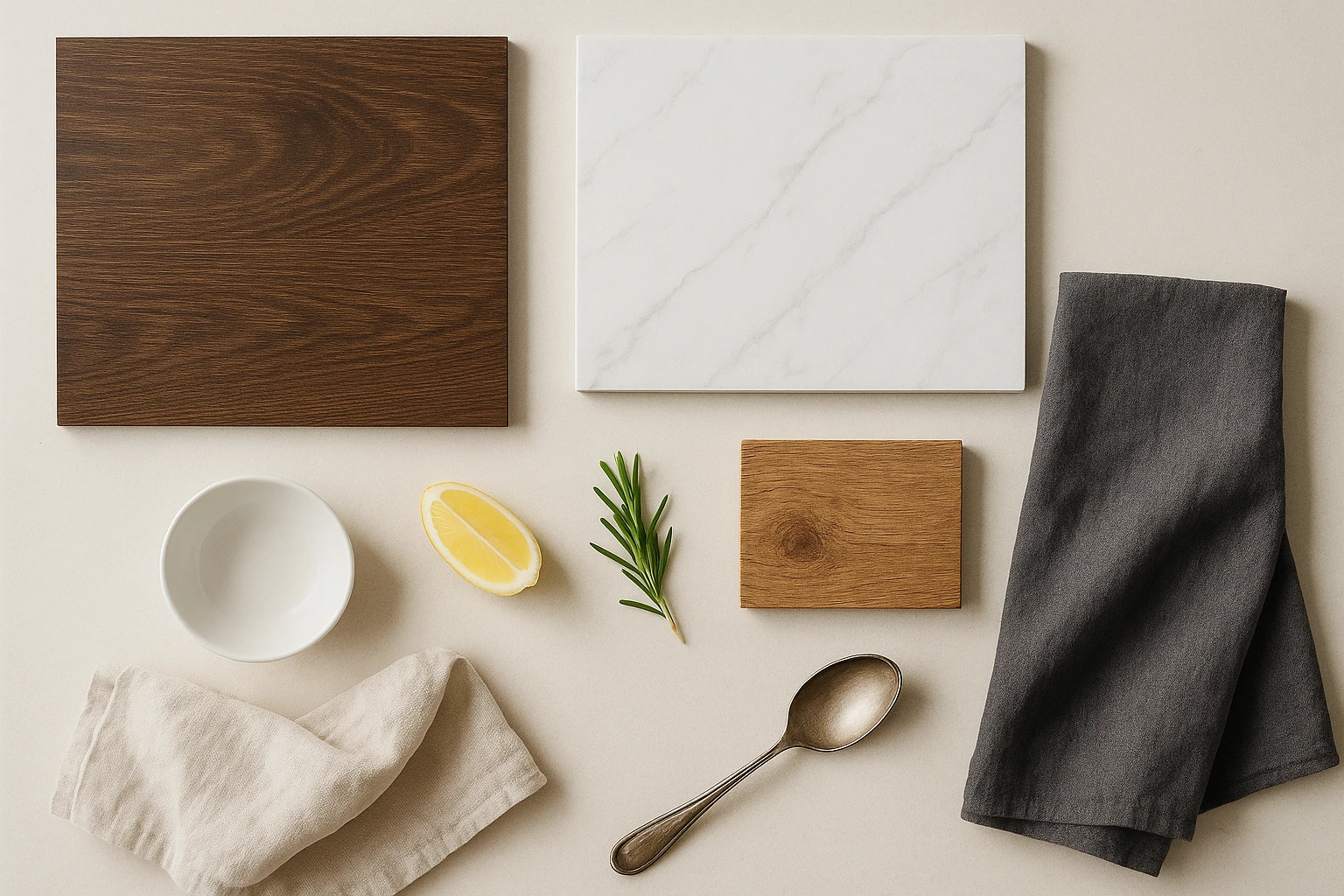
Quick navigation:
Why Food Photography Backdrops Matter for Your Brand
The backdrop behind your dish does more than fill empty space. It communicates your brand identity and influences appetite. It also affects whether customers click, order, or visit. According to Adobe’s guide, the background sets the mood and context. This transforms a simple food photo into a brand asset that drives results.
Restaurant owners often underestimate how much the background impacts perception. A dark, moody backdrop conveys sophistication and premium quality. This works well for steak houses or upscale cocktail programs when using food photography backdrops effectively. A bright, clean white background communicates freshness and hygiene. It suits health-conscious concepts, salads, and artisanal bakeries that prefer minimalist food photography backdrops. The texture, color, and lighting of your photo backgrounds become part of your visual signature. Customers recognize your content instantly across Instagram, delivery apps, and your website.
Color Psychology in Photo Backgrounds
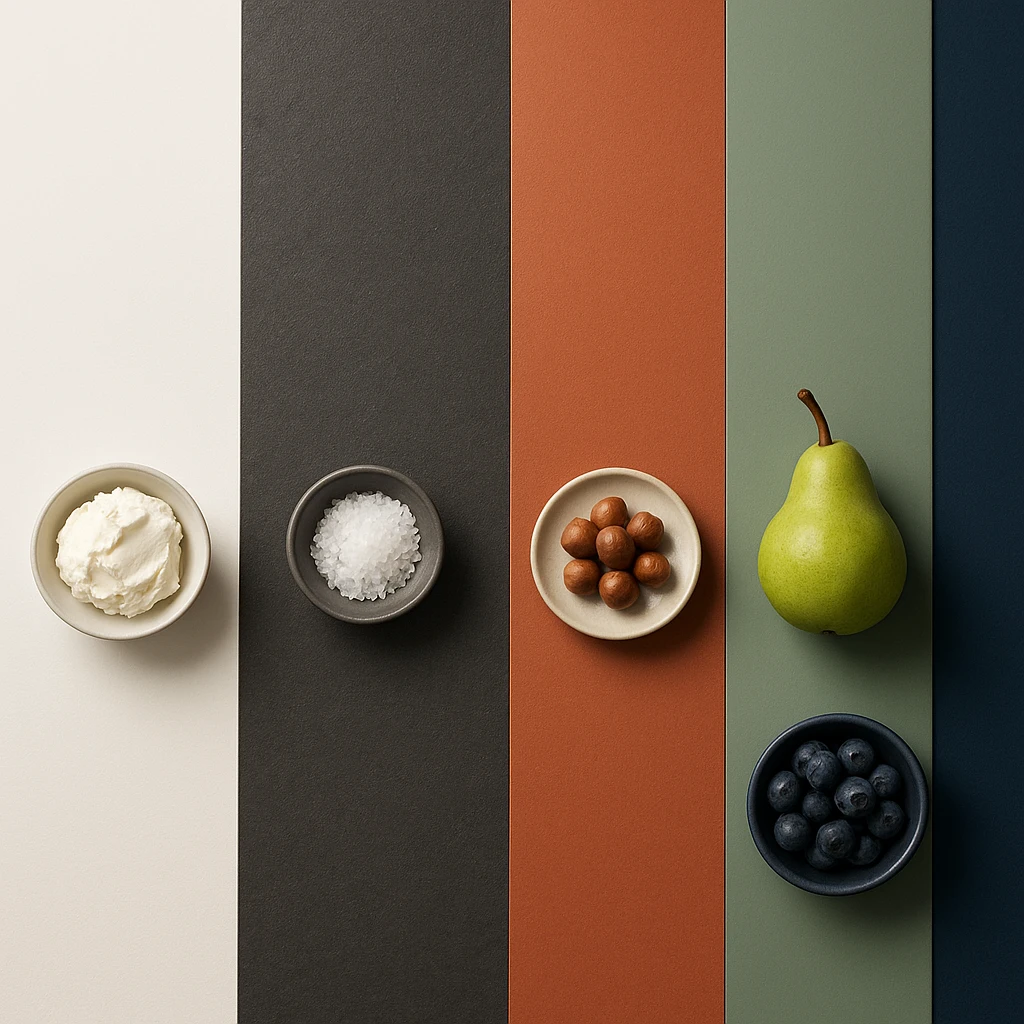
| Backdrop Color | Psychological Effect | Best For |
|---|---|---|
| White/Cream | Cleanliness, simplicity, focus on food | Minimalist brands, bakeries, fresh ingredients |
| Dark Gray/Black | Sophistication, luxury, drama | Steakhouses, cocktail bars, upscale dining |
| Warm Beige/Terracotta | Comfort, authenticity, rustic appeal | Comfort food, ethnic cuisines, casual dining |
| Sage Green | Freshness, health, nature | Plant-based dishes, salads, organic concepts |
| Navy Blue | Trust, professionalism, premium quality | Seafood, corporate catering, established brands |
The backdrop you choose also affects how appetizing the food appears. Shutterstock research shows that color contrast influences perceived freshness and taste intensity. Dark foods like chocolate desserts pop against light backgrounds. Light-colored foods like fish or pasta stand out against darker surfaces. This isn’t just aesthetics. It’s conversion optimization. Dishes photographed with appropriate backgrounds receive more orders on delivery apps.
For multi-location restaurants and franchises, standardized styling surfaces ensure brand consistency. When every location uses the same background style, customers receive a cohesive experience. They see the same look whether browsing your website, scrolling Instagram, or ordering through DoorDash. This consistency builds trust and reinforces brand recognition. Visual differentiation drives customer choice in competitive restaurant markets. For restaurants evaluating food photography backdrops, this strategic approach creates measurable impact. Researching the best backdrops for food photography helps ensure consistent results.
Top Material Options for Food Photography Backdrops
Choosing the right material affects durability, portability, cost, and the final look of your images. Each material has distinct advantages. These depend on your shooting style, frequency of use, and budget. B&H Photo Video’s guide identifies vinyl, foam board, wood, and stone as the most popular options. These work for food photographers from beginners to professionals.
Vinyl Backdrops
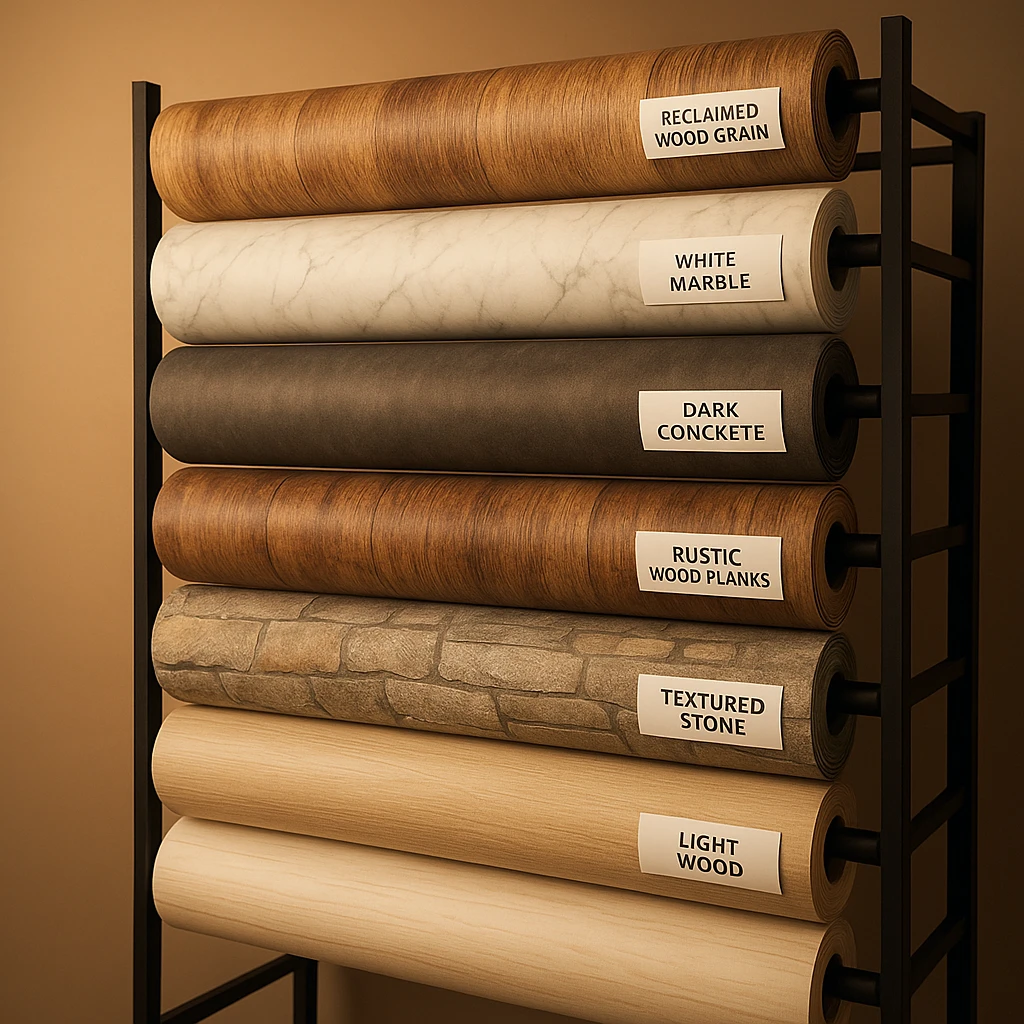
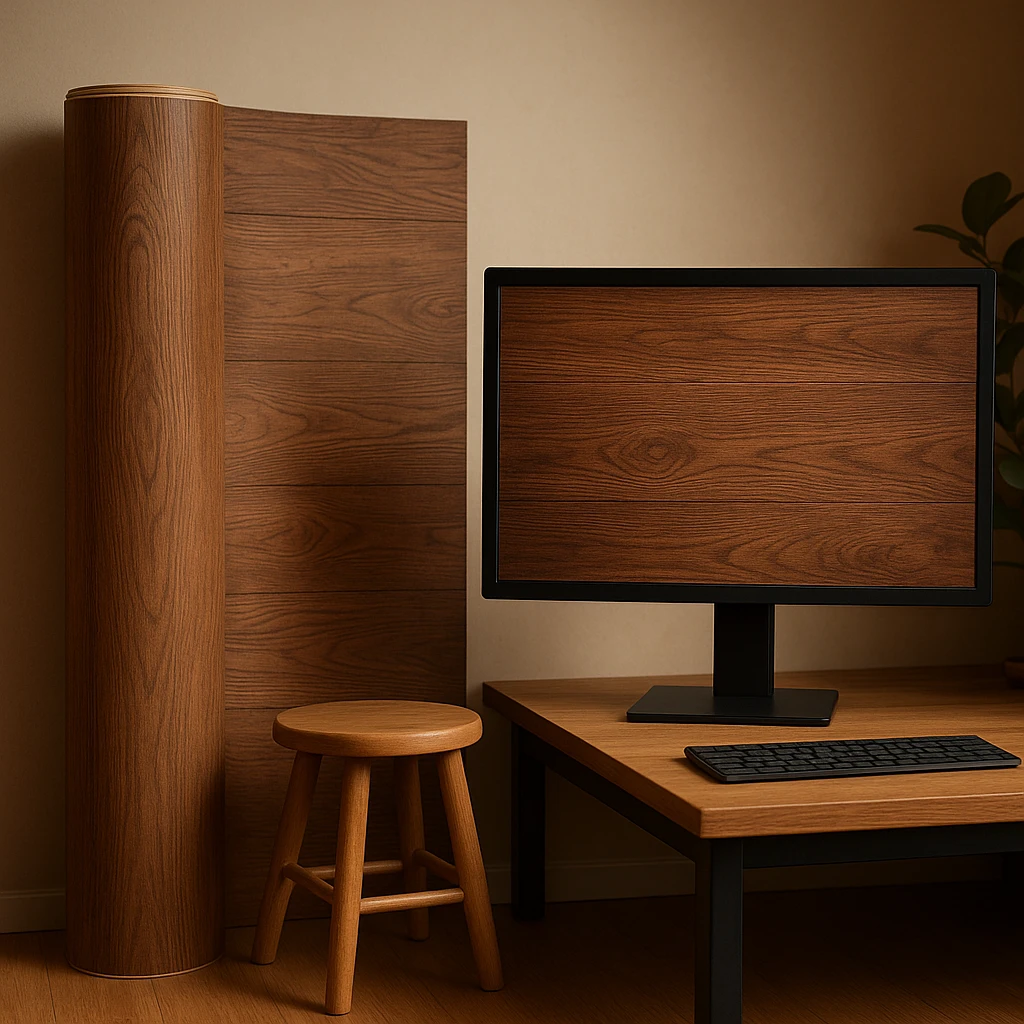
Vinyl surfaces have become the industry standard for commercial food photography backdrops. They offer versatility and realistic surface replication. High-quality vinyl simulates wood, marble, concrete, and textured surfaces. It costs a fraction of the weight and price of authentic materials. These surfaces are lightweight and easy to clean. They roll up for compact storage. This makes them ideal for restaurant kitchens or food bloggers in small apartments.
Pros: Realistic textures, portable, easy to clean, affordable ($25-60 for standard sizes), wide variety of patterns Cons: Can show reflections if lighting isn’t controlled. Lower-quality vinyl may look artificial. Creases can form if stored improperly
Best practices for vinyl: Store rolled or laid flat, wipe clean with damp cloth (avoid harsh chemicals), use matte spray to reduce unwanted reflections, position lights at 45-degree angles to minimize glare.
Foam Core Board
Foam board offers the most affordable entry point for photo backgrounds. It’s perfect for beginners or restaurants with minimal photography needs. These lightweight boards come in solid colors. You can paint them or cover them with contact paper, fabric, or wallpaper. At $5-15 per board, they’re disposable enough to experiment freely.
Pros: Extremely affordable, lightweight, easy to customize, smooth surface, can be painted or covered Cons: Not durable (dent easily), limited size options, moisture damage, show wear quickly
Best for: Solid color backgrounds, testing different backdrop colors before investing in premium materials, creating temporary seasonal backdrops for holiday promotions.
Wood and Natural Surfaces
Authentic wood surfaces, stone slabs, and natural materials provide unmatched realism. They elevate food photography with rich texture. Reclaimed wood planks, marble tiles, and slate pieces create organic backgrounds. They photograph beautifully and communicate artisanal quality. These premium materials cost $50-200+ but deliver professional results for established brands.
Pros: Authentic texture and appearance. Durable and heat-resistant. Can be used as props in composition. Photographs realistically at any angle. Cons: Heavy and expensive. Require significant storage space. May need sealing for food safety. Limited to available natural patterns.
Material Comparison at a Glance
| Material | Cost Range | Durability | Portability | Best For |
|---|---|---|---|---|
| Vinyl | $25-60 | Medium | High | Commercial use. Variety of looks |
| Foam Board | $5-15 | Low | High | Beginners. Testing. Solid colors |
| Wood/Natural | $50-200+ | High | Low | Premium brands. Authentic texture |
| Plexiglass | $30-80 | High | Medium | Modern look. Reflections. Layering |
| Fabric/Muslin | $20-50 | Medium | High | Drape effects. Soft backgrounds |
Plexiglass and Acrylic Surfaces
Plexiglass creates sleek, modern backgrounds. It’s ideal for contemporary cuisine, cocktail photography, and minimalist brands. The reflective surface adds depth and dimension when used strategically. You can layer plexiglass over other surfaces to create unique texture combinations. Clear plexiglass over wood or patterned vinyl adds a subtle reflection. This makes food appear more premium without overwhelming the composition.
DIY Backdrops vs. Professional Purchases
The decision between creating DIY backdrops and purchasing professional options involves weighing several factors. Consider time, skill level, budget, and intended use. Both approaches can produce excellent results when matched to the right situation. Many food photographers combine both strategies, including DIY food photography backdrops and professional options. They use DIY options for experimentation and seasonal needs. They invest in professional pieces for core brand imagery.
DIY Photo Backgrounds
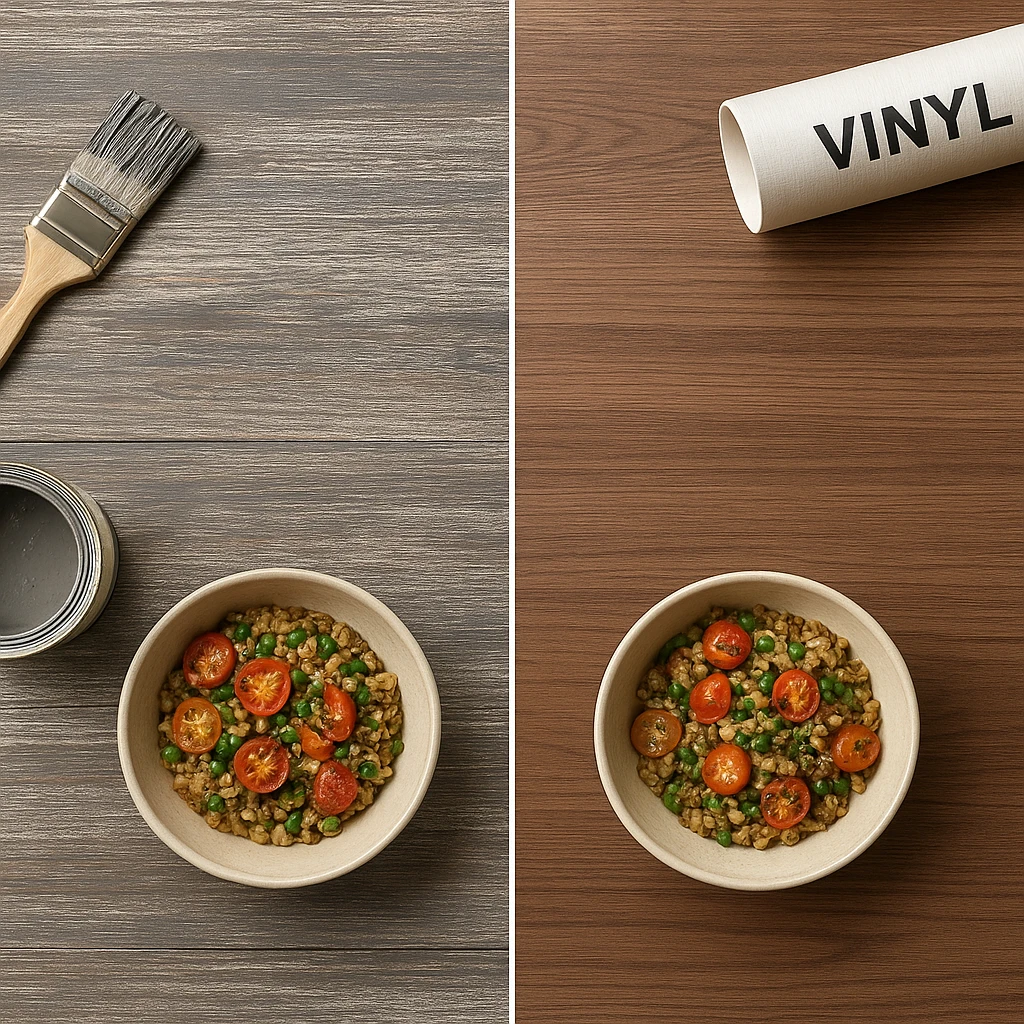
Creating your own surfaces costs significantly less than purchasing professional options. You also get complete creative control. The Bite Shot’s DIY guide demonstrates five accessible methods. These use materials from hardware stores, craft suppliers, or items you may already own. The most popular DIY approach involves applying faux finish contact paper to foam board. This creates realistic wood or marble surfaces for under $20. Other DIY methods include painting techniques on foam board or MDF. You can also use fabric stretched over frames. Some photographers repurpose vintage linens, tea towels, or reclaimed construction materials.
Step-by-Step DIY Vinyl Backdrop:
- Purchase 20x30 inch foam board ($3-5) and faux wood contact paper ($10-15)
- Cut contact paper 2 inches larger than board on all sides
- Peel backing gradually, smoothing contact paper from center outward to eliminate air bubbles
- Wrap excess paper around board edges like a present for clean finish
- Seal edges with clear packing tape for durability
- Optional: Apply matte spray to reduce reflections
Time investment: 30-60 minutes per backdrop. Skill level: Beginner-friendly.
DIY Painted Backdrop Technique: Acrylic paint on foam board or MDF allows infinite customization. Create marble effects by layering white, gray, and gold paint with sponge techniques. Wood grain effects can be achieved with wood grain tools or even combs dragged through wet paint. These painted backdrops cost $10-25 in materials and develop unique character that sets your brand apart.
When DIY Makes Sense
DIY backgrounds excel for seasonal campaigns. They’re great for testing new aesthetic directions before investing in professional pieces. Restaurants with multiple concepts benefit from this variety. They’re also ideal for food content creators who enjoy hands-on projects. You get complete creative control without budget constraints. The learning curve is gentle. Mistakes are inexpensive. Experimentation often yields unique results that become signature brand elements.
Professional Backdrop Options
Purchasing professional surfaces from companies like Best Ever Backdrops ensures consistency and durability. These products deliver realistic textures that elevate commercial imagery. They’re designed specifically for food photography. The designs account for lighting behavior, food placement, and camera angles. Professional vinyl surfaces feature textures that photograph realistically. They don’t appear artificially glossy or reflective in challenging lighting.
Advantages of Professional Backdrops:
- Consistent quality across multiple orders. You can replace damaged backdrops with exact matches
- Tested and optimized for food photography lighting conditions
- Wider variety of authentic patterns. These are not easily replicated with DIY techniques
- Time savings. Ready to use immediately upon delivery
- Professional appearance that signals quality to customers viewing your behind-the-scenes content
Investment level: $35-120 per standard vinyl surface, $150-400 for custom oversized or specialty materials. Most restaurants need 3-5 core backgrounds to cover their menu variety when investing in food photography backdrops.
DIY vs. Professional Decision Guide
| Factor | Choose DIY When | Choose Professional When |
|---|---|---|
| Budget | Limited budget. Under $50 total | $200+ available for core backdrops |
| Timeline | Need backdrops immediately for tomorrow’s shoot | Can wait 3-7 days for shipping |
| Usage | Testing. Seasonal. Personal projects | Daily commercial use. Consistent branding |
| Skill Level | Enjoy hands-on projects. Willing to learn | Prefer professional results without effort |
| Long-term Plans | May change aesthetic frequently | Established brand. Consistent look needed |
For restaurants and food businesses, the most cost-effective approach often combines both strategies. Invest in 2-3 high-quality professional surfaces for signature brand imagery and core menu items. Then supplement with DIY seasonal backgrounds for holiday promotions. Use them for limited-time offerings and experimental content. This hybrid approach provides professional consistency. It also maintains flexibility for creative campaigns and budget-conscious testing.
Choosing the Right Colors for Different Cuisines
Color selection for your backdrop directly influences how appetizing dishes appear. It also affects how customers perceive your brand. Shutterstock’s research on color theory shows that strategic color choices enhance natural food colors. They create visual harmony and trigger emotional responses that influence ordering decisions. Different cuisines have established color palettes that customers instinctively recognize. Aligning your background choices with these expectations creates immediate visual authenticity.
Warm-Tone Backdrops for Comfort Food and Hearty Cuisines
Warm colors create feelings of comfort, home-style cooking, and satisfaction. These include terracotta, warm beige, rust, golden yellow, and rich browns. Warm backgrounds work exceptionally well for comfort food, barbecue, Italian cuisine, and Mexican food. They also suit hearty American fare. The warmth of the background enhances appetizing appeal. This works especially well for dishes already associated with satisfaction and indulgence.
Best warm backdrop pairings by cuisine:
- Italian: Terracotta, warm cream, travertine beige, olive green
- Mexican: Rusty orange, warm yellow, terracotta, deep red
- BBQ/Southern: Warm wood tones, dark brown, burgundy, charcoal gray
- American Comfort: Cream, warm beige, light wood, golden tones
- Indian: Saffron yellow, warm orange, deep red, rich brown
Warm surfaces enhance golden-brown elements in food. Crispy chicken skin, baked bread, melted cheese, and seared meats appear more appetizing. The psychological effect is subconscious but powerful. Customers associate warm colors with homemade, satisfying meals worth ordering.
Cool-Tone Backdrops for Fresh, Light, and Healthy Cuisine
Cool colors communicate freshness, cleanliness, lightness, and health consciousness. These include white, light gray, sage green, soft blue, and mint. Cool-tone surfaces excel for salads, seafood, plant-based dishes, and smoothie bowls. They work well for health-focused concepts emphasizing freshness, nutrition, and clean eating. The cool background allows natural food colors to pop without competition.
Best cool backdrop pairings by cuisine:
- Seafood: White, light gray, soft blue, seafoam green
- Salads/Bowls: White, sage green, light gray, mint
- Japanese: White, light wood, soft gray, subtle blue
- Plant-Based/Vegan: White, sage green, light terrazzo, cream
- Mediterranean: White, light beige, soft blue, sage green
White and light-colored backgrounds create the cleanest, most minimalist aesthetic for food photography backdrops. They let the food completely dominate the frame. This approach works particularly well for delivery apps and menu photography. Clarity and focus on the dish are priorities. However, pure white requires excellent lighting skills. Shadows and imperfections become more visible. The background can appear sterile rather than fresh if not styled thoughtfully.
Bold and Saturated Backdrops for Vibrant, Spicy Cuisines
Bold, saturated colors create dramatic backgrounds. Deep red, emerald green, navy blue, and rich purple complement spicy, flavorful cuisines. They work well for brands with strong personalities. These confident color choices suit Thai, Vietnamese, Indian, and fusion concepts. They also appeal to younger demographics who respond to energetic, Instagram-worthy visuals. The key is ensuring the color doesn’t clash with or overpower the food.
Backdrop Color Selection Guide
| Cuisine Type | Recommended Backdrop Colors | Why It Works |
|---|---|---|
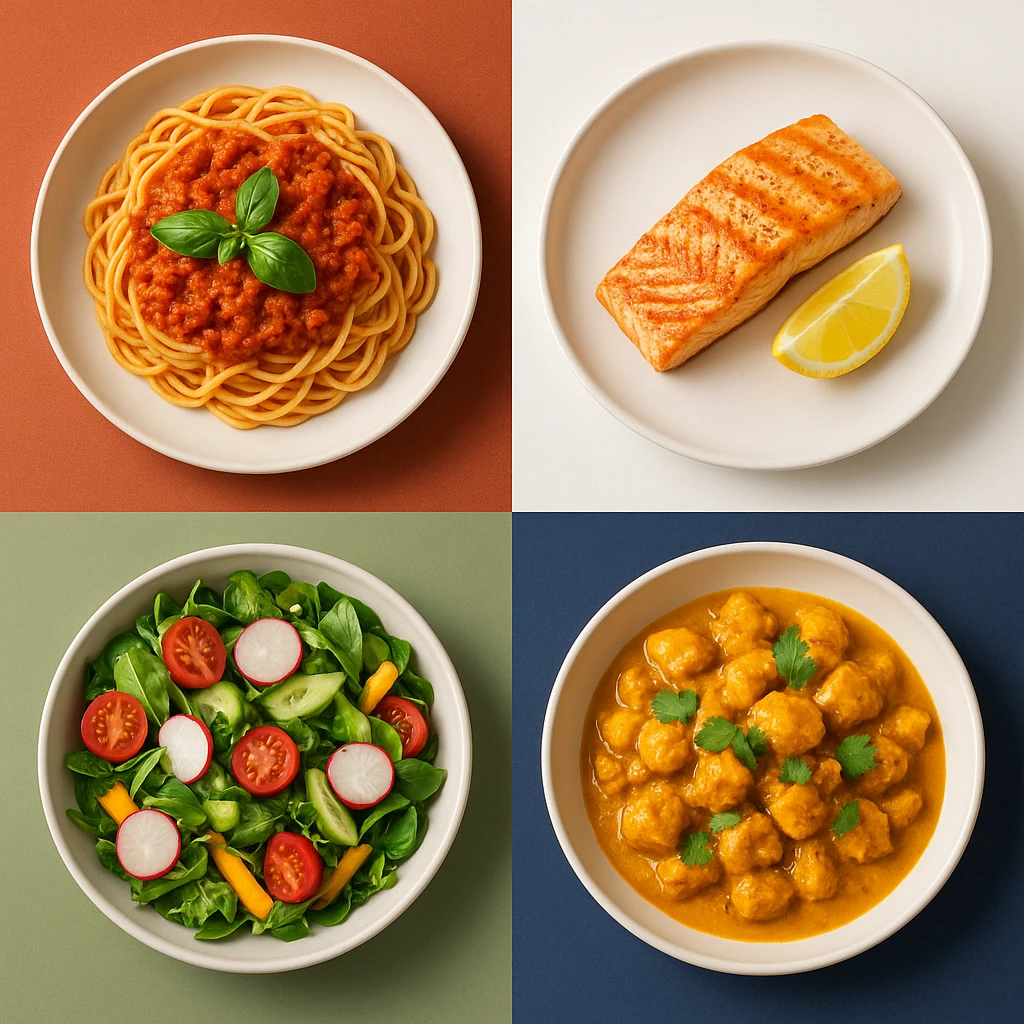
| Italian | Terracotta, cream, olive green, warm wood | Evokes rustic warmth, Mediterranean authenticity |
| Mexican | Rust orange, warm yellow, deep red, clay | Mirrors vibrant, spicy, festive culture |
| Japanese | White, light wood, soft gray, indigo | Minimalist aesthetic emphasizes food precision |
| Indian | Saffron yellow, warm orange, deep red | Complements spice colors and richness |
| Thai | Emerald green, deep red, warm gold | Enhances vibrant, fresh, spicy elements |
| French | Cream, navy blue, gray, white | Classic, sophisticated, timeless appeal |
| American BBQ | Dark wood, charcoal, brown, rust | Emphasizes smoky, hearty, rustic qualities |
| Seafood | White, light gray, soft blue, sage | Communicates freshness, cleanliness |
| Bakery/Cafe | Warm wood, cream, marble, light gray | Cozy, inviting, emphasizes freshness |
The Future: Using AI to Generate Digital Food Backgrounds
AI technology is revolutionizing photo backgrounds. It generates unlimited custom surfaces without physical materials, shipping costs, or storage. Platforms like Yummify and PhotoRoom enable restaurants to generate perfectly tailored backgrounds. Food marketers and content creators use them for specific dishes and campaigns. Just provide a text description or reference image. This technology democratizes professional food imagery. High-end backdrop options become accessible to businesses at any scale.
How AI-Generated Food Backgrounds Work
AI background generation starts with either a text description or a reference image. The AI processes this input and generates a high-resolution background matching your specifications. It accounts for surface texture, lighting behavior, and color accuracy. It also considers how food will appear against the surface. Advanced systems like Yummify allow you to save these backgrounds as reusable “branded environments.” You can apply them consistently across all your food imagery. This ensures brand cohesion whether you’re photographing one dish or an entire menu.
PhotoRoom’s guide explains that modern AI tools generate backgrounds optimized for product photography. These systems understand how different surfaces interact with light. They account for matte versus glossy finishes, texture depth, and color reflection. The result is backgrounds that photograph realistically. They don’t appear artificially generated. You get professional-quality imagery without traditional photography constraints.
Advantages of AI-Generated Backgrounds
The primary advantage of AI backgrounds is unlimited variety at minimal marginal cost. Instead of purchasing five physical surfaces at $40-80 each, you generate 50 different backgrounds. The cost is just your subscription. Experiment with marble, concrete, wood, fabric, and custom textures. Find the perfect match for your brand. When seasonal campaigns arrive, you’re not limited to surfaces you already own. Generate festive holiday backgrounds, spring garden themes, or summer picnic settings instead.
Key benefits of AI-generated backdrops:
- Zero physical storage: No bulky vinyl rolls or heavy boards cluttering your workspace
- Instant availability: Generate new backdrops immediately. No waiting for shipping
- Infinite variety: Test unlimited patterns, colors, and textures to find optimal brand alignment
- Consistency: Branded environments ensure every team member uses identical backdrops
- Cost-effective scaling: Generate hundreds of backgrounds for less than purchasing 5-10 physical options
- Easy iteration: Not satisfied with a background? Generate a new variation in seconds
For multi-location restaurants and franchises, AI backgrounds solve the consistency challenge. Traditional photography often leads to fragmented brand identity. Different locations use different physical surfaces. Or they photograph the same surface with different lighting. AI-generated backgrounds ensure consistency. Whether a restaurant in Austin, Chicago, or Phoenix photographs their signature dish, the background remains identical. This creates unified brand presence across all marketing channels.
Practical Applications for AI Backgrounds
Seasonal promotions become significantly more accessible with AI surfaces. A coffee shop generating Valentine’s Day content doesn’t need pink and red physical surfaces. Those would sit unused for eleven months. Instead, they generate romantic, festive backgrounds for the two-week campaign. Then they return to their standard branded environment. Ghost kitchens and virtual restaurants benefit too. They can create distinctive aesthetics for each concept without investing in physical photography studios.
A/B testing different background styles becomes practical with unlimited variations. Test how your signature burger performs against a dark, moody surface versus a bright, clean background. Generate three versions of a pasta dish with different textures. Try rustic wood, sleek marble, and textured concrete. See which drives more engagement on social media. This testing capability was previously limited to brands with significant photography budgets. Now it’s accessible to restaurants and food marketers at any scale.
Integrating AI Backdrops with Physical Photography
AI-generated backgrounds complement rather than replace physical food photography entirely. Many successful workflows combine both approaches. Photograph your actual dish using natural or studio lighting. Then use AI tools to replace or enhance the background digitally. This hybrid approach maintains food authenticity. You also benefit from unlimited background variety. For restaurants already investing in professional photography services, AI surfaces extend the value of each photoshoot. You can generate additional background variations from the same images. This maximizes return on photography investment.
The most forward-thinking food brands use AI to create entirely new aesthetic directions for food photography backdrops. These would be impossible or prohibitively expensive with physical materials. Generate surfaces with custom brand colors using AI food backgrounds tools. Incorporate brand logos subtly into surface textures. Create fantastical backgrounds that support creative campaigns. The technology removes material constraints. Your brand aesthetic drives choices rather than being limited by what’s available for purchase.
Next steps
Ready to transform your food photography with custom backgrounds that match your brand perfectly? Yummify’s AI-powered platform generates unlimited professional surfaces. They’re tailored to your cuisine, aesthetic, and marketing needs. Choose from rustic wood surfaces for comfort food to sleek marble for contemporary concepts. Create branded environments once and apply them consistently across your entire menu. Eliminate the need for physical storage. Start generating signature photo backgrounds today. See the difference consistent, professional styling surfaces make across your website, delivery apps, and social media channels.
FAQ
What material is best for food photo backgrounds?
Vinyl is the most versatile choice. It offers realistic textures at an affordable price ($25-60) with easy portability and storage. Foam board works for beginners on tight budgets ($5-15). Authentic wood and stone provide premium results ($50-200+) for established brands. Consider your frequency of use, storage space, and budget when choosing materials.
Can I make my own photo backgrounds to save money?
Yes, DIY surfaces cost $10-40 using foam board, contact paper, paint, or fabric. Apply faux finish contact paper to foam board for realistic wood or marble effects. You can also paint custom patterns with acrylics. DIY options work well for testing, seasonal campaigns, and restaurants with multiple concepts. Professional surfaces offer better durability and consistency.
What color background is best for food photography?
The best color depends on your cuisine and brand. Warm tones (terracotta, cream, wood) enhance comfort food and hearty dishes. Cool colors (white, sage, gray) communicate freshness for seafood, salads, and healthy concepts. Bold saturated colors (navy, emerald, deep red) complement spicy, vibrant cuisines. Always ensure adequate contrast between food and background.
How many backdrops do I need?
Most restaurants need 3-5 core surfaces to cover their menu variety effectively. Start with one light option (white or cream), one medium-toned option (wood grain or beige), and one dark option (charcoal or dark gray). Add specialized backgrounds for signature dishes or seasonal promotions as needed. Consistency matters more than quantity.
Does background color affect how appetizing food looks?
Yes, background color significantly impacts food appeal. Dark foods like chocolate or braised meats pop against light surfaces. Light foods like fish and pasta stand out against darker surfaces. According to color theory research, warm surfaces enhance comfort food appeal. Cool backgrounds emphasize freshness and health. Test different colors to see what makes your specific dishes most appetizing.
Are AI-generated backgrounds as good as physical surfaces?
AI-generated backgrounds offer unlimited variety and consistency without physical storage. They’re ideal for testing, seasonal campaigns, and multi-location brands. However, physical surfaces provide authentic texture and behavior under challenging lighting. Some photographers prefer this. Many successful workflows combine both. Photograph food with good lighting, then enhance or replace backgrounds digitally for maximum flexibility.
Where should I buy professional backdrops?
Professional surfaces are available from specialized suppliers like Best Ever Backdrops. Photography retailers like B&H Photo Video also carry them. Look for vinyl surfaces designed specifically for food photography. They account for lighting behavior and food placement. Expect to invest $35-120 for quality standard-sized vinyl options.
Related posts
15 Creative Food Photography Ideas to Make Your Dishes Stand Out
Discover creative food photography ideas to make your dishes stand out. Learn action shots, deconstructed dishes, unique angles, storytelling, and AI tools for stunning food visuals.
Beyond Burgers: AI Food Styling for Diets and Cuisines
Use AI food styling to create accurate vegan, gluten-free, halal, kosher, and global cuisine photos that convert across delivery apps, QR menus, and social.
Close the Loop: Tie Food Imagery to Analytics and Sales
Stop guessing which food photos work. Learn a simple workflow to tie Yummify images to analytics, A/B test visuals, and promote only the photos that actually sell.